Hopscotch: A Playful Font for Vibrant Visual Design
Imagine a typeface that doesn’t just sit on the page but leaps off it, capturing the energy of a childhood game. This is the essence of the Hopscotch font, a full-color, playful design that transforms ordinary text into a visual celebration. For graphic designers, marketers, and creative professionals, this isn’t just another font—it’s a dynamic tool for injecting personality, color, and memorable impact into a wide array of projects. Its unique, grid-based aesthetic offers a fresh approach to typography that can instantly elevate brand communication and audience engagement.
Understanding the Hopscotch Color Font
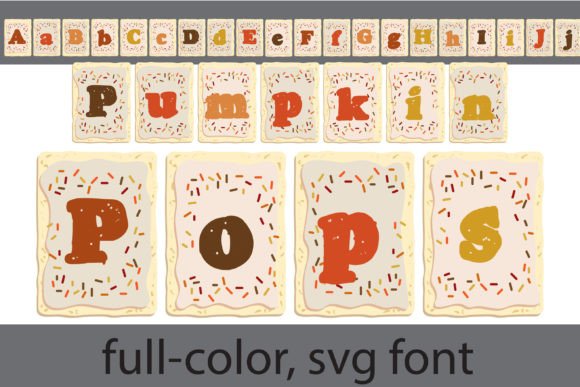
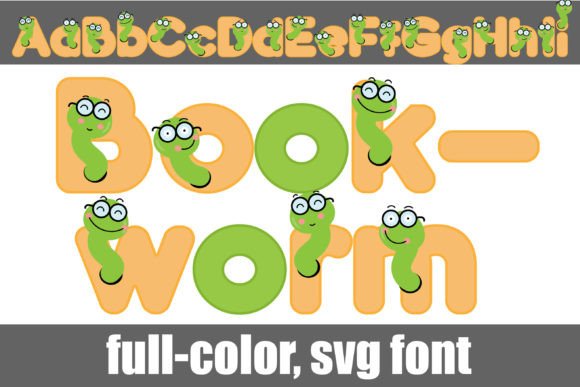
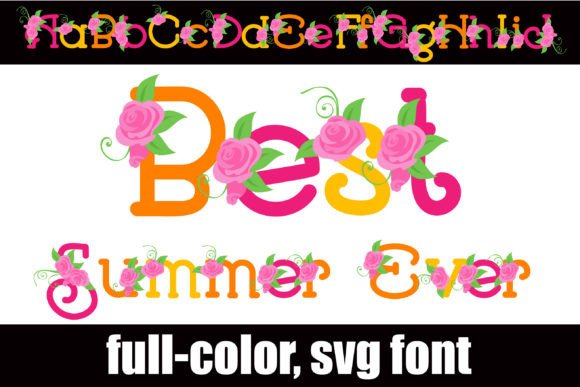
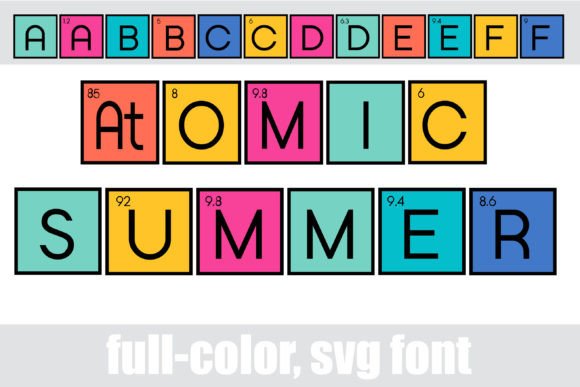
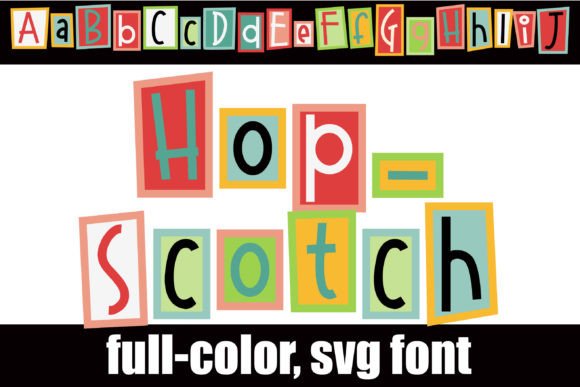
The Hopscotch font is an OpenType full-color (SVG) typeface, which means it contains vector-based color information within the font file itself. Unlike standard fonts that rely on a single color, this font features letters and symbols designed within colorful hopscotch squares, creating a cohesive and vibrant pattern. It’s important to note that while it installs like any normal .OTF font, its full-color display depends on software compatibility. In non-supporting programs, it will render as a solid black outline. However, in compatible applications like Adobe Illustrator, Silhouette Studio, Quark, or Inkscape, its true, colorful design shines through, offering a powerful asset for modern graphic design workflows.
Practical Applications for Creative Projects
The versatility of a full-color SVG font like Hopscotch makes it a valuable asset across numerous design disciplines. Its inherent playfulness and visual appeal can be strategically deployed to achieve specific communication goals.
- Branding and Logo Design: Create distinctive, energetic brand marks for children’s brands, educational apps, family-focused businesses, or any company aiming for a fun, approachable identity.
- Marketing and Social Media Graphics: Design eye-catching headlines for posters, flyers, and social media posts. The colorful font naturally draws the eye, improving click-through rates and engagement in crowded digital feeds.
- Editorial and Web Design: Use it for chapter titles, pull quotes, or featured text in magazines, blogs, and website banners to break visual monotony and guide the reader’s focus.
- Packaging and Merchandise: Apply it to product labels, shopping bags, or children’s book covers to create shelf appeal that communicates joy and creativity.
- Digital Products and Presentations: Enhance educational materials, e-book covers, or slide deck titles to make content more engaging and memorable for the audience.
Tips for Effective Implementation
Integrating a specialized font like Hopscotch requires thoughtful consideration to maintain professional standards and design coherence. Here are key factors to evaluate:
- Audience and Context: Ensure the playful aesthetic aligns with your target audience and the project’s tone. It’s ideal for contexts that celebrate youth, creativity, and energy but may not suit formal corporate communications.
- Readability and Hierarchy: Use it primarily for display purposes—titles, short phrases, or logos. For body text, pair it with a clean, highly legible sans-serif or serif font to maintain visual hierarchy and readability.
- Color Palette Integration: While the font has its own colors, consider how they interact with your overall design palette. Use the alt case accessible via your system’s character map to explore additional color variations and find the perfect match.
- Software Compatibility: Always test the font in your final design software. Remember, you will see the true colors only when typing on the document in a compatible program, not necessarily in the font preview window.
- Scalability and Quality: As a vector-based SVG font, Hopscotch scales beautifully without losing quality, making it perfect for both small digital icons and large-format print designs.
In the ever-evolving landscape of visual design, choosing the right typography is a critical decision that shapes perception and user experience. The Hopscotch font exemplifies how modern creative assets can blend aesthetic appeal with functional versatility, offering designers a specialized tool to craft more engaging, joyful, and effective visual communication. By thoughtfully applying such resources, you can strengthen brand identity, capture attention, and deliver designs that resonate deeply with your audience, proving that great design is both seen and felt.